
The Role of Creativity in Successful Cake Design
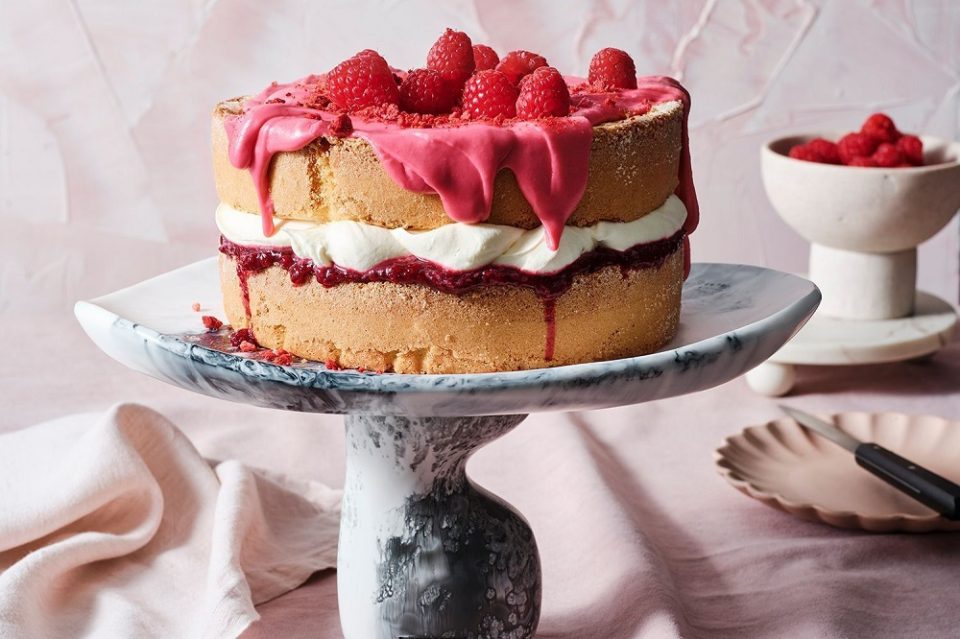
The confectionery world has undergone a massive transformation. Cakes are no longer just desserts meant to be sliced and served; they have evolved into edible masterpieces, structural marvels, and focal points for life’s most significant celebrations. At the heart of this evolution is creativity. While technical baking skills ensure a cake tastes good, it is creativity that elevates a cake from a simple baked good to an unforgettable experience.
In a highly competitive industry, a cake designer’s imaginative capacity is their greatest asset. It dictates how they interpret client visions, push boundaries with ingredients, and establish a unique brand identity that stands out in a crowded marketplace.
Moving Beyond Tradition: The Evolution of Cake Artistry
For decades, cake design followed a relatively predictable formula. Wedding cakes were almost exclusively white tiered structures decorated with plastic toppers or standard buttercream roses. Birthday cakes featured basic piping and brightly colored sprinkles. While these traditional methods required precision and practice, they left little room for artistic experimentation.
The modern cake design landscape is entirely different. Today’s bakers draw inspiration from architecture, textile design, fine art, and nature. This shift is driven by a creative rebellion against the ordinary. Designers now utilize diverse mediums such as wafer paper, isomalt, modeling chocolate, and edible gold leaf to create textures and shapes that were once thought impossible in pastry arts. Creativity acts as the bridge between traditional baking fundamentals and contemporary visual art, allowing designers to treat sugar and flour as a sculptor treats clay.
The Creative Process: Translating Inspiration into Edible Art
Successful cake design relies on a structured yet fluid creative process. It rarely begins in the kitchen; instead, it starts with an idea, a mood, or a story.
Finding Inspiration Outside the Kitchen
The most innovative cake designers rarely look at other cakes for inspiration. Instead, they look at the world around them. A weathered concrete wall might inspire a rustic, textured fondant finish. A piece of vintage lace might inspire an intricate royal icing stencil pattern. By sourcing ideas from non-culinary fields, designers ensure their work remains fresh and original.
Sketching and Conceptualization
Before a single pan is greased, a creative concept must be mapped out. Sketching allows the designer to play with proportions, color theory, and structural balance. It is during this phase that the baker decides how to balance aesthetics with structural integrity. A visually stunning cake is a failure if it collapses under its own weight, meaning creativity must always work hand-in-hand with engineering.
Storytelling Through Sugar
Every custom cake is commissioned for a specific occasion, which means it carries emotional weight. Creative cake design is essentially an act of visual storytelling. Whether it is capturing the personality of a couple in a wedding cake or reflecting a specific memory for a retirement party, the designer uses color, form, and texture to evoke emotion.
Overcoming Technical Challenges with Creative Problem-Solving
Baking is a science governed by chemical reactions, temperature, and humidity. This means cake designers constantly face physical constraints that threaten their artistic vision. Creativity is the ultimate problem-solving tool when these technical challenges arise.
-
Structural Support: Creating gravity-defying cakes requires a deep understanding of internal support systems. Designers use threaded rods, acrylic plates, and custom-built wooden frames hidden inside the cake to support massive, asymmetric structures.
-
Medium Adaptation: When a medium like buttercream melts in high humidity, a creative designer pivots. They might use a customized ganache or switch to sculpted modeling chocolate that can withstand warmer temperatures without losing shape.
-
Dietary Restrictions: Modern clients frequently require gluten-free, vegan, or allergen-free options. Creativity allows a baker to re-engineer recipes so that alternative ingredients still yield the structural strength and elite flavor profiles necessary for high-end cake design.
Establishing a Unique Brand Identity Through Creative Style
The cake industry is incredibly saturated. To build a sustainable, profitable business, a designer must develop a distinct artistic voice. Creativity is the mechanism through which a baker establishes this signature style.
When a designer injects their unique perspective into their work, they create a niche market for themselves. Some designers become famous for their hyper-realistic sculpted cakes that look exactly like everyday objects. Others are sought out for their minimalist, clean lines and watercolor-painted fondant.
By prioritizing creative originality over copying trends, designers attract clients who value artistry and are willing to pay a premium price for custom work. This shifts the business model from selling a commodity by the slice to selling an exclusive work of art.
The Intersection of Flavor and Aesthetic Creativity
True success in cake design requires a harmonious balance between how a cake looks and how it tastes. A visually spectacular cake that tastes dry or uninspired will ultimately disappoint clients and damage a baker’s reputation. Therefore, creativity must extend to the flavor profile.
Creative flavor pairing involves stepping outside standard vanilla and chocolate options. Designers experiment with botanical infusions like lavender and hibiscus, savory elements like salted rosemary or goat cheese, and textured fillings like fruit curd, nut pralines, and house-made compotes. The interior of the cake should be just as carefully curated, layered, and surprising as the exterior design, providing a cohesive sensory experience from the first glance to the final bite.
Frequently Asked Questions
How do cake designers ensure a heavily decorated cake remains safe to eat?
Cake designers prioritize food safety by using food-grade materials for internal structures and ensuring all decorative elements are non-toxic. When using non-edible items like real flowers, wires, or crystals, the elements are wrapped in floral tape or dipped in food-safe wax to prevent direct contact with the cake. Additionally, designers clearly communicate with clients regarding which parts of the cake are edible and which must be removed before serving.
What is the difference between a cake baker and a cake designer?
While the roles frequently overlap, a cake baker focuses primarily on the science of baking, flavor development, scaling recipes, and ensuring the cake layers are baked to perfection. A cake designer focuses on the visual artistry, structural engineering, styling, and customization of the cake’s exterior. Many high-end professionals excel at both, combining pastry science with fine art techniques.
How do designers prevent fondant from tearing or sweating on intricate cakes?
Fondant management requires strict environmental control and proper technique. Tearing is prevented by kneading the fondant to the correct elasticity and rolling it to a precise thickness. Sweeting, which is caused by condensation, is managed by storing the cake in a temperature-controlled, low-humidity environment and avoiding drastic temperature changes, such as moving a chilled cake directly into a hot, humid room.
Can a cake designer legally replicate copyrighted characters or logos?
Legally, cake designers cannot replicate copyrighted characters, sports logos, or trademarked brand imagery without explicit permission from the copyright holder. Doing so violates intellectual property laws. Instead, creative designers interpret the theme by using inspired color palettes, abstract shapes, or legal toppers provided by the client, allowing them to capture the essence of the theme safely and originaly.
How do designers calculate the pricing for highly creative custom cakes?
Pricing for custom cakes goes far beyond the cost of ingredients. Designers calculate their prices based on the total hours spent planning, sketching, and executing the design, the complexity of the labor involved, the cost of specialized tools or internal structural supports, and their level of expertise. This is why custom sculpted or intricately detailed cakes are priced as luxury art pieces rather than standard bakery goods.
What role does lighting play in the display of a designed cake?
Lighting is critical to how a cake design is perceived at an event. Poor overhead lighting can wash out delicate details or cast harsh shadows that ruin the cake’s proportions. Professional designers often coordinate with event planners to ensure the cake table is spotlighted correctly, highlighting textures like metallic leaf, intricate piping, or subtle color gradients without generating heat that could melt the frosting.
How long does it typically take to complete a complex custom cake from start to finish?
A complex custom cake can take anywhere from fifteen to over forty hours of labor spread across several days. The process is broken down into stages: baking and freezing the layers to lock in moisture, preparing fillings and frostings, stacking and crumb-coating for stability, applying the final outer layer, and creating the detailed decorative elements, which are often made weeks in advance to allow for proper drying and setting.