
Biltong vs jerky: tired of tough chews? discover the tender alternative
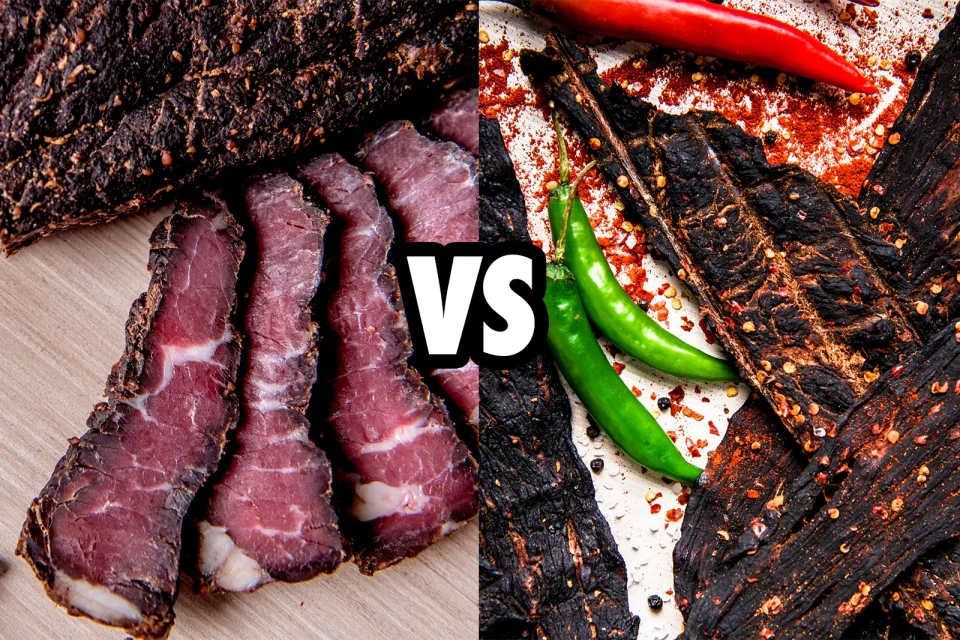
For snack enthusiasts, the world of dried meats offers a delightful array of choices. Two popular contenders often find themselves in a head-to-head comparison: biltong and jerky. While both are delicious and protein-packed, they possess distinct characteristics that set them apart. If you’re tired of tough chews and seeking a more tender and flavourful experience, understanding the nuance of what makes the difference between the two is important.
This article delves into the heart of the matter, exploring the key differences between biltong and jerky. From preparation methods to flavour profiles, we’ll uncover what makes each snack unique, hopefully helping you decide which treat is best. Are you ready to explore the world of dried meats and discover your new favourite snack? Let’s dive in and see what sets biltong vs jerky apart.
What is biltong?
Biltong, with its roots in South Africa, is a cured and air-dried meat snack. The process typically involves marinating thick cuts of meat, such as beef, in a mixture of vinegar, salt, sugar, and spices like coriander and pepper. Unlike jerky, biltong is not smoked, but rather air-dried over several days or even weeks. This slow drying process contributes to its characteristic tender texture and rich, complex flavour.
Once dried, biltong is often sliced into thin pieces, ready to be enjoyed. The result is a snack that boasts a deep, savoury flavour with hints of spice and a melt-in-your-mouth texture that sets it apart from other dried meats. The use of vinegar in the marinade also acts as a preservative, ensuring a longer shelf life.
Key features of biltong
- Air-dried: Biltong is primarily air-dried, not smoked.
- Thick cuts of meat: It’s typically made from thicker cuts, resulting in a tender texture.
- Vinegar marinade: Vinegar is a crucial ingredient, contributing to its flavour and preservation.
- Spices: Coriander and pepper are common spices used in the marinade.
What is jerky?
Jerky, a snack enjoyed worldwide, involves thinly sliced meat that has been marinated and then dried. The marinating process often includes ingredients like soy sauce, Worcestershire sauce, and various spices. Jerky is commonly smoked during the drying process, imparting a smoky flavour that is a hallmark of this snack.
The drying process for jerky can vary, ranging from traditional methods using smokehouses to modern techniques involving dehydrators. The result is a leaner, tougher snack compared to biltong. Jerky’s flavour profile is often more straightforward, with the smoky and salty notes taking centre stage. This makes it a great snack for those who like a more robust and chewy texture.
Key features of jerky
- Thinly sliced meat: Jerky is made from thinly sliced meat.
- Smoked: Smoking is a common part of the drying process.
- Soy sauce marinade: Soy sauce is frequently used in the marinade.
- Tougher texture: The thin slices and drying process contribute to a chewier texture.
Biltong vs jerky: the real differences
While both biltong and jerky are dried meat snacks, their differences extend beyond just taste. Understanding these distinctions can help you appreciate each snack’s unique qualities and choose the one that best suits your preferences.
Preparation and drying process
The preparation and drying process is a significant differentiator. Biltong relies on air-drying thick cuts of meat, while jerky involves thinly sliced meat that is often smoked. This difference in technique significantly impacts the final texture and flavour of each snack. The air-drying process of biltong allows it to retain more moisture, resulting in a tender chew.
Jerky’s smoking process, on the other hand, draws out moisture and imparts a smoky flavour. The thinner slices of meat used for jerky also contribute to its drier and chewier texture. Therefore, the drying process plays a pivotal role in shaping the final product.
Ingredients and flavour profiles
The ingredients used in the marination process also contribute to the unique flavour profiles of biltong and jerky. Biltong typically uses vinegar, salt, sugar, coriander, and pepper, creating a savoury and slightly tangy flavour. The spices used can vary, but coriander is a defining characteristic.
Jerky, on the other hand, often incorporates soy sauce, Worcestershire sauce, and a variety of spices, resulting in a salty, smoky, and sometimes sweet flavour. The use of soy sauce and smoking gives jerky a distinct umami flavour that sets it apart from biltong. The different ingredients result in unique taste experiences.
Texture and mouthfeel
Texture is perhaps the most noticeable difference between biltong and jerky. Biltong is known for its tender and melt-in-your-mouth texture, thanks to the thick cuts of meat and air-drying process. It offers a more luxurious and satisfying chew compared to jerky.
Jerky, with its thin slices and smoking process, is generally tougher and chewier. This makes it a more robust and long-lasting snack, perfect for those who enjoy a more substantial chew. The difference in texture is a key factor in determining which snack you might prefer.
Which one is healthier?
When it comes to nutritional value, both biltong and jerky offer benefits. Both are high in protein, making them great snacks for those looking to increase their protein intake. However, there are some differences to consider.
Biltong tends to have a higher fat content due to the thicker cuts of meat used, while jerky is generally leaner. Jerky can also be higher in sodium due to the use of soy sauce in the marinade. It’s important to check the nutritional information on the packaging to make an informed choice based on your dietary needs and preferences. Both can be part of a balanced diet, but moderation is key.
Nutritional comparison
- Protein: Both are excellent sources of protein.
- Fat: Biltong generally has a higher fat content.
- Sodium: Jerky can be higher in sodium.
- Calories: Calorie content is similar, but varies by brand and flavour.
How to choose between biltong and jerky
Choosing between biltong and jerky ultimately comes down to personal preference. If you prefer a tender, flavourful snack with a rich, savoury taste, biltong might be your go-to choice. Its unique blend of spices and air-drying process creates a truly distinctive experience.
On the other hand, if you enjoy a chewier, smokier snack with a leaner profile, jerky could be the perfect option. Its robust flavour and satisfying chew make it a popular choice for those seeking a more traditional dried meat snack. Consider your taste preferences and dietary needs to make the best choice.
Factors to consider
- Taste preference: Do you prefer savoury and tangy (biltong) or smoky and salty (jerky)?
- Texture preference: Do you prefer tender (biltong) or chewy (jerky)?
- Dietary needs: Consider fat and sodium content based on your diet.
- Availability: Both are widely available, but some flavours and brands may be easier to find than others.
FAQs about biltong and jerky
What is the shelf life of biltong and jerky?
Both biltong and jerky have a relatively long shelf life due to the drying and curing process. However, it’s essential to store them properly to maintain their quality. Biltong typically lasts for several weeks when stored in an airtight container in a cool, dry place. Jerky can last even longer, often several months, under similar conditions. Always check the packaging for specific storage instructions and expiration dates.
Can I make biltong or jerky at home?
Yes, you can make both biltong and jerky at home, but each requires different equipment and techniques. Biltong requires a drying box or a well-ventilated space with controlled humidity. Jerky can be made using a dehydrator or an oven with a low-temperature setting. There are numerous recipes available online, so you can experiment with different flavours and spices to create your own unique versions.
Are there vegetarian or vegan alternatives to biltong and jerky?
Yes, there are vegetarian and vegan alternatives to both biltong and jerky. These alternatives are typically made from plant-based proteins like soy, mushrooms, or seitan. They are marinated and dried to mimic the texture and flavour of traditional meat-based snacks. These options are great for those who follow a vegetarian or vegan diet but still enjoy the taste and texture of dried snacks.
Which is more expensive, biltong or jerky?
The price of biltong and jerky can vary depending on the brand, quality, and location. Generally, biltong tends to be slightly more expensive than jerky due to the thicker cuts of meat and longer drying process involved. However, prices can fluctuate, so it’s best to compare prices at your local stores or online retailers to get an accurate idea of the current market value.
Can biltong and jerky be part of a healthy diet?
Yes, both biltong and jerky can be part of a healthy diet when consumed in moderation. They are both high in protein, which is essential for muscle growth and repair. However, it’s important to be mindful of the fat and sodium content, particularly with jerky. Choose leaner options and be sure to balance your intake with a variety of other nutrient-rich foods. As with any snack, portion control is key to maintaining a balanced diet.