
How Food Rituals Strengthen Family and Community Bonds
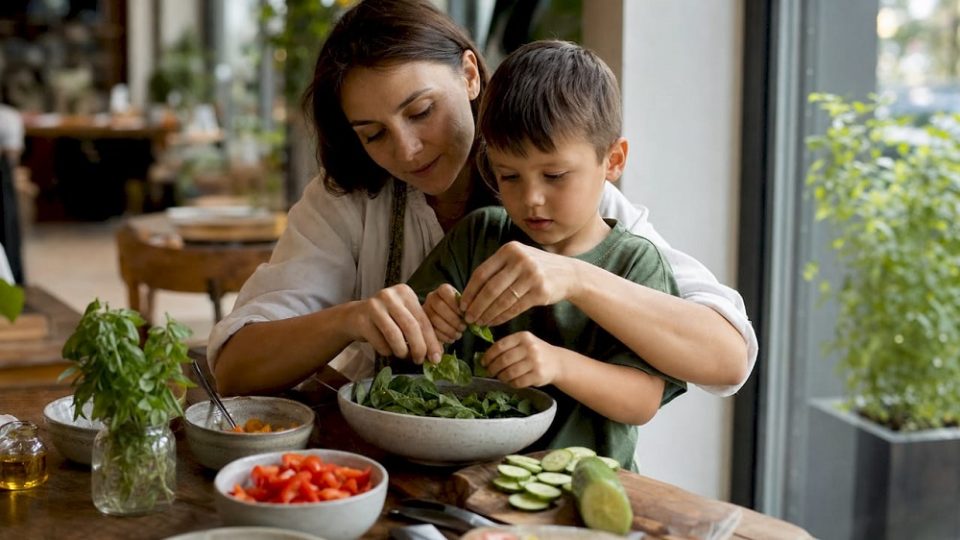
Food is a fundamental biological necessity, but human beings have transformed the simple act of consumption into something profoundly social and symbolic. Across history and within every culture, the preparation and sharing of meals serve as the primary framework for human connection. When eating transitions from a basic survival mechanism into a structured, repeated event, it becomes a ritual.
A food ritual is not merely about the ingredients on a plate. It encompasses the shared preparation, the deliberate gathering of individuals, the passing down of ancestral stories, and the preservation of cultural identities. In a fast paced world dominated by digital distractions and individualized schedules, food rituals act as a stabilizing anchor, strengthening the invisible threads that tie families and communities together.
The Psychological and Emotional Architecture of Family Meals
The family dinner table is often described as the heartbeat of the home, and modern sociological research supports this sentiment. Regular family food rituals establish a predictable, safe environment that fosters psychological stability and deep emotional intimacy among family members.
Creating a Sanctuary for Communication
In many households, daily routines are fragmented. Parents are occupied with professional responsibilities, while children are consumed by school, sports, and screens. A designated, distraction-free family meal creates a mandatory pause button for the household. By establishing a strict rule that smartphones and televisions remain off during dinner, families create a communicative sanctuary. This structured time allows parents to check in on their children’s emotional well-being and enables children to voice their experiences, creating an environment built on mutual support.
Providing Structure and Predictability for Children
Children thrive on routine and predictability. The knowledge that regardless of the chaotic events of the day, the family will gather at a specific time for a shared meal provides a powerful sense of emotional security. This ritualized predictability lowers stress levels in adolescents and reduces behavioral anxieties. It signals to the child that they belong to a cohesive unit that prioritizes their presence.
The Educational Value of Shared Preparation
The food ritual does not begin when the meal is served; it starts during the planning and cooking phases. Involving children in age-appropriate kitchen tasks teaches vital life skills, mathematical portioning, and basic nutritional science. More importantly, it instills a sense of shared responsibility and contribution. When a child helps chop vegetables or set the table, they are actively participating in the maintenance of the family structure, boosting their self-esteem and reinforcing teamwork.
Preserving Cultural Heritage and Generational Continuity
Food serves as a living, edible archive of human history. For families, especially those living in diaspora or rapidly changing societies, traditional food rituals are the most effective vehicle for preserving cultural heritage and maintaining generational continuity.
-
The Transmission of Oral History: Kitchens are natural storytelling environments. As a grandmother teaches her grandchild how to fold a traditional dumpling or perfectly balance spices in a family curry, she is not just passing down a recipe. She is sharing stories of her youth, the history of her homeland, and the struggles of her ancestors. This oral storytelling embeds a deep sense of identity within the younger generation.
-
Celebrating Cultural Milestones: Holiday food rituals, such as the preparation of specific dishes for Thanksgiving, Lunar New Year, Passover, or Eid, provide a rhythmic calendar for cultural identity. These specific, once-a-year culinary traditions remind individuals of their roots and ensure that ancestral customs are not erased by contemporary assimilation.
-
The Emotional Nostalgia of Flavor: Taste and smell are linked directly to the limbic system, the brain region responsible for memory and emotion. A specific family recipe can trigger profound nostalgia, instantly connecting an individual to memories of deceased relatives or childhood homes. This sensory connection preserves a family’s emotional lineage across decades.
Forging Social Cohesion and Community Resilience
Beyond the nuclear family, food rituals have an unparalleled capacity to break down social barriers, build empathy, and establish strong neighborhood and community networks.
The Concept of Commensality and Breaking Bread
The sociological concept of commensality, derived from the Latin words for eating at the same table, highlights the egalitarian nature of sharing food. When people sit down to eat together, existing social hierarchies, political differences, and socioeconomic disparities temporarily soften. Passing dishes across a table requires cooperation and mutual respect. Throughout human history, breaking bread with a stranger has been the universal gesture of peace and hospitality, converting unfamiliar individuals into trusted allies.
Community Soup Kitchens and Collaborative Neighborhood Feasts
Food rituals frequently serve as a mechanism for community care and resilience during times of hardship. Block parties, church potlucks, and community gardens organize collective resources to ensure everyone is fed. These rituals establish a mutual aid network. When a community establishes a recurring ritual of feeding its members, it builds a safety net of social capital, ensuring that isolated or vulnerable individuals are recognized, supported, and integrated into the broader social fabric.
Revitalizing Civic Engagement Through Public Markets
Farmers markets, food festivals, and communal street food night markets function as contemporary urban food rituals. These spaces encourage spontaneous social interactions among diverse demographic groups that might otherwise never interact. By gathering routinely around local food production and consumption, citizens cultivate a shared pride in their local economy and geography, enhancing civic pride and mutual understanding.
Re-engineering Modern Life to Welcome Culinary Rituals
In contemporary society, the survival of the food ritual is threatened by the rise of convenience culture, ultra-processed fast food, and isolated eating habits. Reclaiming the transformative power of the shared meal requires a conscious, deliberate effort to re-engineer daily schedules.
Prioritizing food rituals does not require preparing elaborate, multi-course gourmet meals every single night. A meaningful ritual can be as simple as a recurring Sunday morning pancake breakfast where everyone pitches in, or a designated Friday night taco tradition. The magic lies entirely in the consistency, the intentionality, and the shared presence of the participants.
By shifting our perspective from viewing food as a rapid refueling task to valuing it as an opportunity for relational investment, we protect our relationships from the isolating currents of modern life.
Frequently Asked Questions
How can families with incompatible work and school schedules maintain meaningful food rituals?
When conflicting schedules make daily family dinners impossible, flexibility is key. Food rituals do not have to occur at dinner time. A family can establish a consistent fifteen minute breakfast ritual, or a recurring weekend brunch. The focus should be on the quality and predictability of the interaction rather than the specific time of day. Even scheduling just two uninterrupted communal meals per week can provide significant psychological benefits.
What strategies can be used to prevent arguments and tension during family meals?
To keep the dinner table a peaceful sanctuary, families should establish boundaries regarding conversational topics. Highly stressful or contentious subjects, such as academic lectures, financial anxieties, or disciplinary actions, should be banned from the table. Instead, families can use conversation starter cards or ask open-ended questions like sharing the best and most challenging parts of each person’s day to keep interactions light, engaging, and supportive.
How do communal food rituals assist individuals struggling with loneliness or social isolation?
Communal food rituals provide a structured, low-pressure entry point for social interaction. For lonely individuals, attending a public potluck, a community cooking class, or a neighborhood barbecue offers a clear social script. Because the focus is centered on the food, individuals have a natural topic of conversation, which reduces social anxiety and lowers the psychological barrier to making new friends and building local support networks.
Can a family build new food rituals if they do not inherit traditional recipes?
Absolutely. Rituals are living practices that can be initiated at any point in time. A family can begin building their own traditions by experimenting with new cuisines together, choosing a favorite dish to perfect every year, or creating a custom recipe book filled with meals cooked during memorable vacations. The historical age of the recipe is irrelevant; what matters is the meaning and repetition assigned to it by the current family unit.
How do dietary differences or picky eating habits impact the success of a food ritual?
Dietary differences do not have to compromise a food ritual if the serving style is adapted. Utilizing interactive, customizable meal formats, such as build-your-own taco bars, grain bowls, personal pizza nights, or hot pot setups, allows everyone to sit at the same table and enjoy the same event while tailoring their individual plates to their unique medical, ethical, or sensory needs.
How do online food communities alter the traditional concept of localized food rituals?
While digital platforms cannot replace physical presence, online food communities have created unique contemporary micro-rituals. Virtual baking challenges, livestreamed cooking sessions, and global recipe-sharing groups allow isolated individuals or long-distance families to cook the same dish simultaneously across different time zones. This leverages digital technology to foster global connectivity and cultural exchange through a shared culinary focus.