
Buying Fish Feed in Larger Quantities: What Farms Should Consider
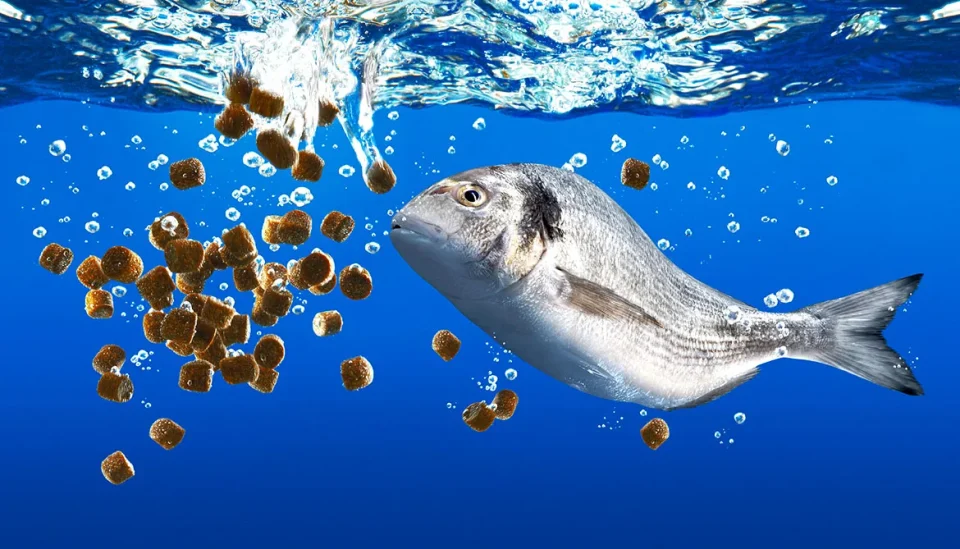
For aquaculture businesses, feed is one of the most important ongoing purchases. It affects growth, survival, water quality, production costs and the consistency of the final seafood product. Farms looking at aquaculture feed wholesale should therefore think beyond bulk pricing and consider nutrition, supply reliability, species suitability, feed performance and the level of technical support available.
Feed Is a Core Production Decision
In fish farming, feed is not just another supply item. It is directly linked to how well the stock grows, how efficiently the farm operates and how predictable each production cycle becomes. A poor feed choice can create problems that cost far more than the initial saving.
Good feed should be formulated for the species being farmed and the stage of growth. Young fish, growing fish and market-size fish may need different nutrient levels. Protein, fat, vitamins, minerals and digestibility all influence performance.
When farms buy in larger quantities, consistency becomes even more important. A reliable feed should perform predictably from batch to batch so farm managers can plan feeding rates, monitor growth and estimate harvest timelines with more confidence.
Wholesale Buying Needs Careful Planning
Buying feed wholesale can help farms manage costs and secure supply, but it also requires planning. Feed should be ordered in quantities that match realistic usage, storage capacity and production schedules. Buying too much at once can create storage issues, especially if the feed is not used before its quality begins to decline.
Storage conditions matter. Feed should be kept dry, clean and protected from heat, pests and moisture. Poor storage can affect nutritional quality, smell, pellet stability and palatability. If fish do not eat the feed properly, waste increases and growth may suffer.

Farms should also think about delivery schedules. A dependable supplier can help avoid disruptions during critical growth periods, when inconsistent feeding may affect stock condition and performance.
Price Per Unit Is Only Part of the Value
It is natural to compare feed prices, especially when buying large quantities. However, the cheapest option is not always the most economical. Feed efficiency, survival rate, growth speed and waste levels all affect the true cost of production.
A feed with better digestibility and conversion may cost more per bag but deliver stronger results overall. If fish grow more consistently and less feed is wasted, the farm may achieve better value across the full cycle.
This is why many farms look at feed conversion ratio, growth performance, water quality impact and final product quality when judging feed value. The real question is not simply how much the feed costs, but how well it supports profitable and responsible farming.
Matching Feed to the Farming System
Different aquaculture systems place different demands on feed. Pond farming, cage farming, recirculating aquaculture systems and tank-based production all have their own considerations. Pellet size, water stability, sinking or floating behaviour and digestibility can all affect how suitable a feed is.
The species being farmed also matters. Seabass, shrimp, tilapia and other aquaculture species have different feeding behaviours and nutritional needs. A feed that works well in one system may not be ideal in another.
Good feed selection should therefore be based on practical farm conditions, not only product specifications. Water quality, stocking density, growth targets, feeding equipment and farm management routines should all be taken into account.
Supplier Support Can Make a Difference
Wholesale feed purchasing works best when the supplier understands aquaculture production, not just sales. Technical advice, feeding guidance, product consistency and responsive communication can all support better farm outcomes.
A good supplier may help farms choose the right feed type, adjust feeding strategies, understand performance data and plan stock requirements. This is particularly valuable when farms are scaling up, changing species, improving efficiency or trying to reduce waste.
Aquaculture feed is one of the biggest influences on farm performance, so buying at scale should be treated as a strategic decision. By focusing on quality, consistency, storage, suitability and long-term value, farms can make feed choices that support healthier stock, smoother production and more reliable commercial results.
previous post