
Why Pad Thai Is Harder To Get Right Than People Think
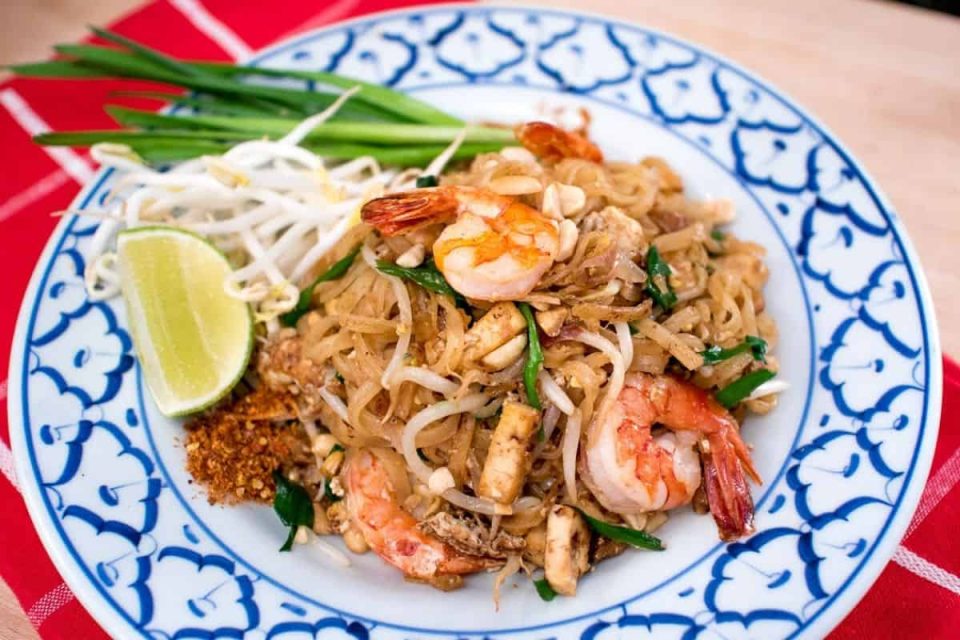
Anyone searching for authentic Pad Thai recipes usually wants more than a quick noodle dish with a Thai name attached to it. The real appeal of Pad Thai lies in its balance. It should taste savoury, tangy, lightly sweet, and just a little smoky from the pan, with enough texture contrast to keep every bite interesting. That sounds simple on paper, but it is exactly why good Pad Thai stands out so clearly from the versions that feel flat, overly sugary, or weighed down with sauce.
The Sauce Should Balance, Not Dominate
A common misunderstanding about Pad Thai is that the sauce is meant to coat everything heavily. In reality, a good Pad Thai sauce is there to season the noodles rather than drown them. It needs to bring together the core flavour notes, usually tamarind for sourness, fish sauce for salt and depth, palm sugar for sweetness, and chilli for warmth, without allowing any one element to overpower the rest.
This is where many imitations go wrong. Some versions lean too sweet and lose the lively sharpness that makes Pad Thai distinct. Others taste mostly of bottled sweetness with no real savoury backbone. In Thailand, the better versions usually feel more restrained. The sauce does not shout. It works with the noodles, protein, egg, and garnishes so the dish tastes complete rather than sticky and overloaded.
That balance is also why Pad Thai often improves when cooked in small portions. It is easier to control seasoning and heat that way. Once the wok is crowded, the noodles steam instead of fry, and the whole dish can lose its character.
Tamarind Gives The Dish Its Identity
If there is one ingredient that gives Pad Thai its unmistakable personality, it is tamarind. Without it, the dish may still be tasty, but it tends to lose the gentle sour depth that makes authentic versions so recognisable. Tamarind does not taste sharply acidic in the way lime juice does. Instead, it brings a darker, fruitier kind of tang that sits comfortably with savoury and sweet flavours at the same time.
That matters because Pad Thai is not meant to taste like sweet noodles with peanuts on top. It should have complexity. Tamarind helps create that by giving the sauce a more grounded, rounded profile. In many home kitchens outside Thailand, this is the point where the dish changes most dramatically. Once tamarind is included properly, the flavour starts moving closer to something genuinely Thai rather than a simplified takeaway imitation.
It is also worth noting that tamarind needs balance. Too little, and the dish tastes flat. Too much, and it can become harsh. This is why cooks who know the dish well tend to adjust as they go rather than relying blindly on measurements.
Texture Is Just As Important As Taste
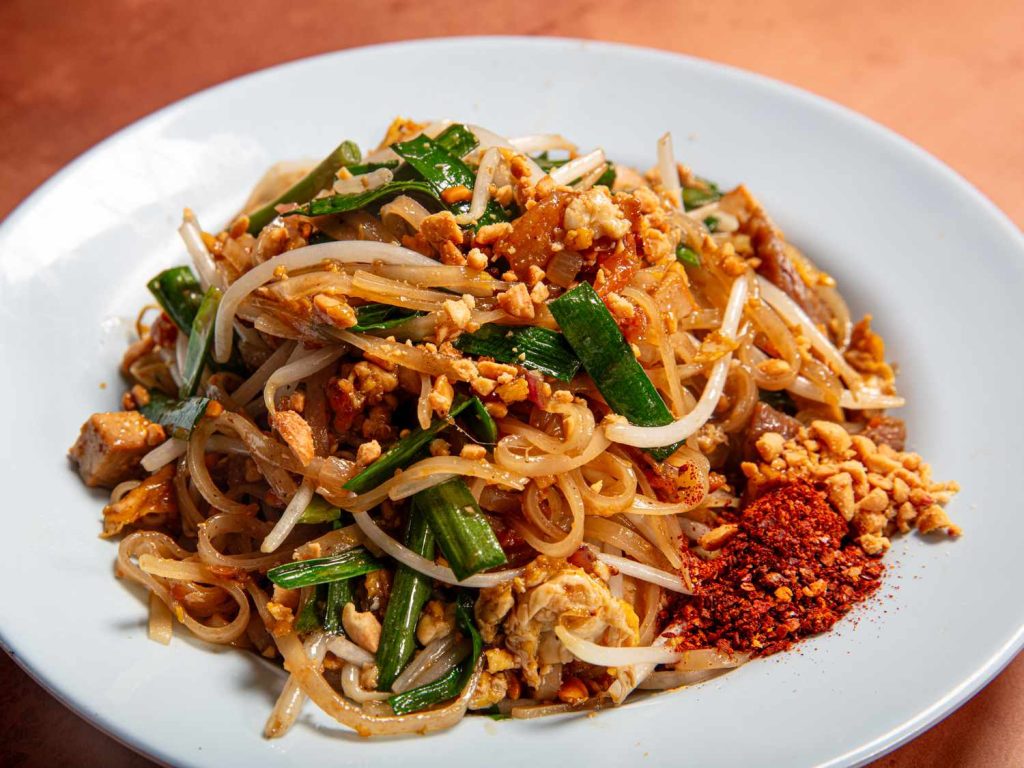
Pad Thai is one of those dishes where texture tells you a great deal about how well it has been cooked. The noodles should be tender but not limp, the bean sprouts should keep some freshness, the egg should be worked through rather than sitting in random lumps, and the peanuts should add a real crunch at the end. When all of that comes together, the dish feels lively and layered rather than soft and one-dimensional.
This is another reason authentic versions stand out. They are usually cooked quickly and served with intention. Lime wedges, crushed peanuts, sometimes chilli flakes, and fresh herbs are not there for decoration. They allow the eater to adjust the dish and add brightness, heat, or texture as they like.
That interactive quality is part of the charm. Pad Thai should not feel sealed off by the cook as if every final flavour has been fixed beyond adjustment. It should arrive already balanced, but still open to a final squeeze of lime or extra crunch from peanuts.
Good Pad Thai Depends On Restraint
One of the most useful things to understand about authentic Pad Thai is that it works best when the ingredient list stays focused. It is easy to keep adding things in the hope of making the dish more exciting, but classic Pad Thai does not need endless vegetables, multiple sauces, or heavy garnishes to feel complete.
The strongest versions usually rely on a few key components handled well. Rice noodles, a well-balanced sauce, egg, tofu or another protein, bean sprouts, garlic chives, peanuts, and lime are enough to create something satisfying and layered. Once the dish becomes overloaded, it often loses the balance and speed that make it distinctive.
This is especially true in wok cooking, where timing matters. Pad Thai should feel fast, hot, and purposeful. Too many ingredients slow the process and blur the flavour. Restraint is not a limitation here. It is part of what makes the dish work.
Why The Best Versions Feel So Memorable
Pad Thai remains so popular because, when it is cooked properly, it delivers a lot in a very approachable form. It has sweetness, savouriness, acidity, warmth, softness, crunch, and freshness all in one bowl, yet it still feels light enough to keep eating. That balance is what authentic recipes aim for.
The difference between an ordinary version and a memorable one usually comes down to understanding the dish rather than decorating it with extra ingredients. A thoughtful sauce, proper use of tamarind, controlled heat, and attention to texture make far more difference than novelty ever will.
That is why authentic Pad Thai continues to matter. It shows how much depth can come from a relatively simple dish when the balance is respected. Once you taste a version that gets those details right, it becomes very obvious why people keep searching for the real thing.