
The Art of Baking: A Sweet Journey Through the World of Bakeries and Cakes
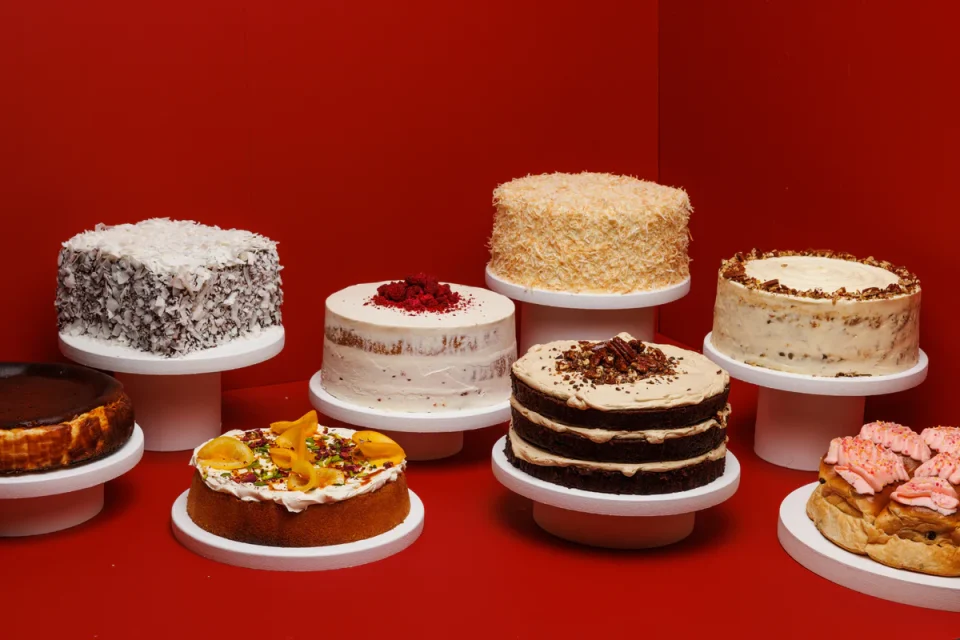
Baking is not merely a craft; it is an art form, an act of love and a celebration of the senses. It is the alchemy of transforming simple ingredients—flour, sugar, butter, and eggs—into something that transcends the ordinary, a delicate balance of textures, flavors, and aesthetics. Among the vast spectrum of baked goods, few hold as much universal appeal as the cake. From the delicate layers of a sponge to the intricate designs of a fondant-covered masterpiece, cakes embody not just nourishment but joy, comfort, and occasion. The humble bakery, with its warm ovens and inviting aroma, serves as the birthplace of these delicious creations, offering both nostalgic comforts and modern twists to an ever-evolving tradition.
A Glimpse Into the Bakery
The modern bakery, often viewed as a vibrant cultural hub, is much more than a place to purchase bread and sweets. It is a haven where skilled bakers transform raw ingredients into edible works of art. Whether nestled in a bustling city corner or a quiet village street, bakeries have the power to evoke memories, spark creativity, and provide a sense of community. For those who work in these establishments, baking is not simply a profession; it is a calling, an opportunity to express both technique and creativity.
A visit to a bakery often feels like stepping into a different world, one where the hustle of daily life is temporarily forgotten amidst the allure of golden pastries and the sweet scent of rising dough. The bakery offers a visual feast: cakes in a range of styles, from the elegantly simple to the intricately designed; pies glistening with fresh fruit; delicate pastries dusted with powdered sugar; and, of course, loaves of bread in every shape and size imaginable.
In recent years, there has been a resurgence of interest in artisanal and small-batch bakeries that focus on quality, craftsmanship, and unique flavors. These bakeries often pride themselves on using high-quality, locally sourced ingredients and experimenting with new techniques or unconventional flavor combinations. For example, a traditional French bakery may offer an updated twist on classic croissants, incorporating unique fillings such as pistachio cream or salted caramel, while modern cake shops may specialize in custom cakes adorned with edible flowers, gold leaf, or intricate sugar art.
But even in this age of creativity and innovation, there remains something timeless about the humble cake. Cakes have been integral to human culture for centuries, celebrated in rituals, holidays, and personal milestones. Birthdays, weddings, anniversaries—these events would hardly be complete without the presence of a beautiful cake, often the centerpiece of the celebration. As such, cakes occupy a special place in the hearts of many, offering both a sweet indulgence and a visual feast.
The Evolution of Cake: From Classic to Contemporary
While the concept of cake dates back thousands of years, it is only in more recent centuries that it has evolved into the rich, multifaceted dessert we recognize today. The earliest cakes were simple, dense creations made from basic ingredients, much like a bread with sweeteners and spices. The introduction of refined sugar, egg leavening, and, later, baking powder during the 19th century revolutionized the world of cakes, leading to the creation of lighter, fluffier cakes that we associate with modern baking.
Over the years, cake styles and flavors have grown increasingly diverse, with regional and cultural influences shaping the landscape of contemporary baking. For example, in Europe, rich, dense cakes such as the German Black Forest Cake, the French Opera Cake, and the Italian Ricotta Cheesecake showcase distinct flavors, techniques, and traditions. Meanwhile, in the United States, a lighter, fluffier style of cake dominates, with iconic desserts such as red velvet cake, carrot cake, and the decadent chocolate layer cake taking center stage in bakeries nationwide.
In addition to the basic ingredients, the decoration of cakes has also undergone a radical transformation. Traditional cakes might have been adorned with simple icing or fondant, but today’s cake decorators employ an array of sophisticated techniques to create visual masterpieces. Piped flowers, intricate lace designs, airbrush painting, and edible gold or silver accents have made their way into cake decoration, transforming cakes into something that is as much a visual experience as a gastronomic one.
Cakes today are often not just about flavor and design; they also reflect trends in health and dietary preferences. As the demand for healthier alternatives grows, bakeries have adapted to include options such as gluten-free, dairy-free, vegan, or low-sugar cakes. These cakes, while still indulgent, cater to a wide range of dietary needs, allowing everyone to partake in the joys of cake, no matter their dietary restrictions.
The Science and Craft of Cake Baking
Behind the magic of a perfect cake lies a delicate science. Each ingredient in a cake serves a specific purpose, and understanding how they interact with each other is the key to creating a successful bake. Flour provides structure, sugar adds sweetness and moisture, eggs bind ingredients together, and fat—whether butter or oil—adds richness and tenderness.
One of the most critical aspects of cake baking is the leavening process. Leavening agents, such as baking powder, baking soda, or yeast, create the rise and lightness that make a cake fluffy and airy. The balance of ingredients and the method of mixing can have a profound impact on the final texture. Over-mixing the batter can lead to a dense cake, while under-mixing can result in uneven distribution of ingredients. Temperature control is also crucial; butter, eggs, and other ingredients should generally be at room temperature to ensure proper emulsification, while the oven temperature must be carefully monitored to prevent uneven baking.
In addition to technical precision, there is also an artistry to baking that elevates it beyond mere mechanics. The creative process involved in designing a cake involves color theory, texture, and a deep understanding of flavor combinations. Whether one is crafting a cake for a wedding or experimenting with a new flavor profile, the baker must balance aesthetics with taste, ensuring that the cake is not only pleasing to the eye but also a delight to the palate.
The Experience of Cake: A Universal Pleasure
At its core, the joy of cake transcends cultural, social, and geographical boundaries. Cakes have an inherent ability to bring people together, whether it is sharing a slice with a friend over coffee or enjoying a show-stopping wedding cake at a grand celebration. In a world that often feels chaotic and fragmented, the simple pleasure of enjoying a piece of cake can serve as a reminder to pause, savor, and connect with the moment.
As we continue to push the boundaries of cake baking, one thing remains certain: cakes will always hold a special place in our hearts. They are not merely desserts; they are symbols of celebration, indulgence, and the artistry of baking. Whether one is biting into a decadent chocolate cake or savoring the lightness of a lemon sponge, cakes offer more than just flavor—they offer an experience, a memory, and, above all, a taste of happiness.
previous post