
How Bangkok Became One of Asia’s Most Exciting Cities for Fine Dining
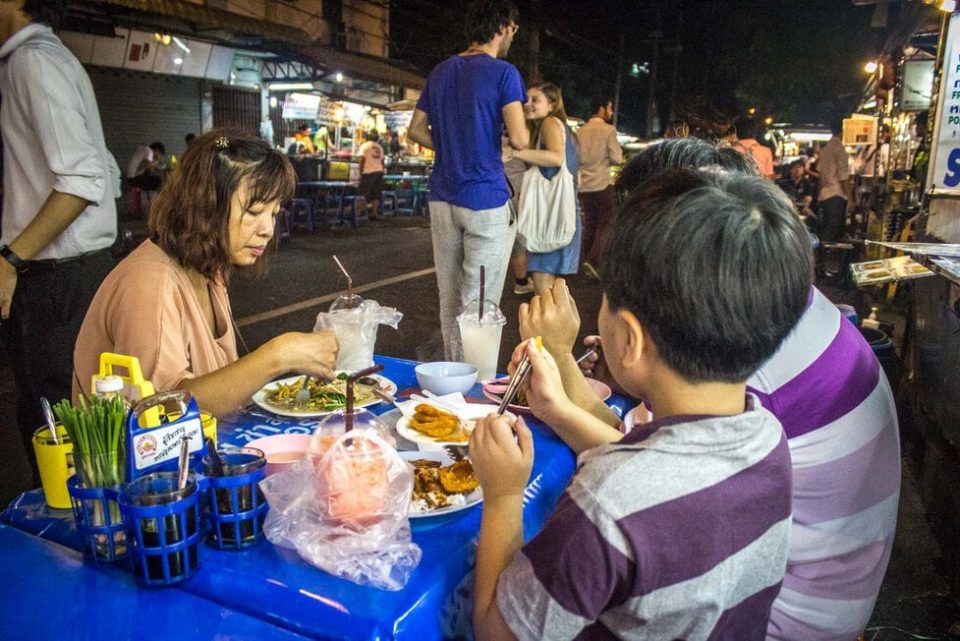
Bangkok’s reputation as a worldclass dining city has risen dramatically over the last decade. While street food remains a huge part of daily life, the Thai capital now boasts an array of fine dining restaurants that rival those in New York or Paris. This shift is rooted in Thai culinary traditions and a willingness to innovate. Locals treat eating as a round-the-clock pursuit, and visitors can find something delicious at any hour. Early morning markets sell steaming bowls of rice porridge and skewers of grilled pork, while late night stalls serve hot roti with condensed milk.
The variety and quality of ingredients in Bangkok inspire creativity. Or Tor Kor Market offers stalls piled high with freshly caught seafood, fragrant herbs, tropical fruit and potent chili pastes. Chefs shop here daily, choosing the best produce for their menus. When the Michelin Guide arrived in 2018, it encouraged restaurants to elevate regional dishes. Chefs began presenting family recipes in multiple courses, using modern plating to highlight texture and color.
A luxury restaurant Bangkok is likely to offer inventive tasting menus that merge traditional flavors with contemporary techniques. Diners might enjoy a starter inspired by moo ping (grilled pork skewers), followed by a refined take on gaeng som (sour curry). The diversity of Bangkok’s population adds further interest. Influences from Myanmar, Japan, China and Mexico appear in menus that pair tamarind with miso or mole sauce with lemongrass.
Despite the rise of luxury dining, Bangkok’s chefs remain connected to the city’s streets. Many credit their inspiration to hawker stalls where cooks ideal single dishes over decades. Fine dining kitchens pay homage to these flavors while elevating presentation and service. Diners often end their evening with a bowl of noodles or mango sticky rice from a roadside vendor, illustrating how high and low cuisine coexist.
Food lovers visiting Bangkok should explore both ends of the spectrum. Attend a chef’s table at a modern Thai restaurant to learn about ancient ingredients repurposed for modern palates. Then wander through markets and sample snacks like deep fried bananas or freshly grilled satay. Cooking schools and food tours provide deeper insight into techniques and history. if you’re tasting street food or multicourse creations, Bangkok’s dining scene offers a delicious glimpse into Thailand’s past and future.
Another factor driving Bangkok’s rise is an emphasis on sustainability. Many chefs work directly with farmers to reduce food miles and champion heirloom varieties of rice, herbs and vegetables. Zero-waste practices such as upcycling bones into broths and using vegetable trimmings in sauces are becoming the norm. Restaurateurs also host pop-ups and collaborations that bring together Thai and international culinary communities, fostering creativity and raising global awareness of Thai food. Locals support this evolution, embracing the idea that fine dining can coexist with the city’s beloved street food culture. Visitors should look for out these collaborative dinners and farm-to-table events to taste Bangkok’s culinary future.