
Avoiding Common Wine Storage Mistakes
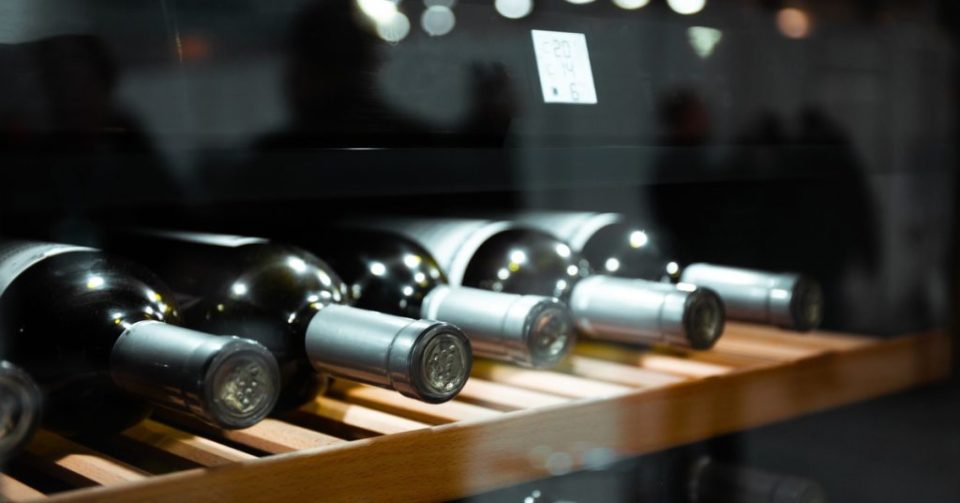
Properly storing fine vintages requires precise environmental control. Many investors and enthusiasts build impressive collections but fail to provide the necessary conditions to protect their liquid assets. A fluctuating environment quickly degrades expensive bottles and destroys their financial value and taste profile. Understanding the fundamental rules of proper preservation prevents costly losses over time. Building a robust strategy ensures your collection matures exactly as the winemaker intended.
Temperature consistency stands as the most vital element in protecting your collection. Extreme heat cooks the liquid while freezing temperatures push the cork out and break the glass. Maintaining a dedicated wine cellar at a steady thirteen degrees Celsius ensures optimal aging conditions. Even slight daily temperature shifts cause the liquid to expand and contract which eventually pulls unwanted oxygen through the cork. Keeping thermometers calibrated and checking them regularly prevents disastrous temperature spikes during the warmer summer months.
Managing ambient moisture levels requires equal attention from serious collectors. When a room becomes too dry the corks shrink and allow air to enter the bottle and oxidize the contents. Excess moisture creates different problems by encouraging mold growth that damages valuable labels and ruins the physical appearance of the investment. Keeping humidity levels between sixty and seventy percent provides the ideal balance for long term aging. Investing in commercial grade humidifiers guarantees these metrics remain perfectly stable year round.
Ultraviolet light presents a massive threat to delicate organic compounds within the bottle. Direct sunlight prematurely ages the liquid and creates unpleasant chemical reactions that ruin the taste profile. You must implement specific lighting strategies to protect your assets.
- Install low wattage LED bulbs that emit zero heat
- Keep bottles in solid wooden boxes for extra protection
- Use heavy blackout curtains if the room has any windows
- Install motion sensors to ensure lights remain off when the room is empty
Frequent movement disrupts the natural aging process of older vintages. Heavy foot traffic near the storage area or vibrations from nearby mechanical equipment agitates the sediment resting at the bottom of the bottle. This constant shaking prevents the organic materials from settling properly. Placing racks away from heavy appliances and choosing locations with solid concrete floors drastically reduces harmful kinetic energy.
Correct Bottle Positioning
Storing bottles horizontally keeps the liquid in constant contact with the cork. This prevents the closure from drying out and crumbling when you eventually try to open the bottle. Sparkling varieties sometimes require vertical standing for a short period before opening but standard still varieties must always lie flat. Investing in custom wooden racking systems ensures every single bottle remains completely secure and perfectly angled.
Proper Inventory Management
Losing track of aging windows represents a major administrative failure for serious collectors. Buying multiple cases often leads to forgetting exactly what sits in the darkest corners of your storage racks. Creating a meticulous digital database tracks vintage years and peak drinking windows accurately. Tagging the neck of each bottle with a simple white label allows you to identify specific producers without physically touching or pulling the bottle from its resting place.
Strong ambient smells easily penetrate natural corks over an extended period. Garages often seem like logical storage spaces due to their cooler temperatures. However the exhaust fumes from vehicles and the smell of lawn equipment create a highly toxic environment for aging liquids. Creating a completely neutral atmospheric zone prevents heavy chemical scents from contaminating your expensive vintages. Proper ventilation systems circulate fresh air constantly and remove stale odors before they cause permanent damage.
previous post