
Nine Skills That Improve Outdoor Cooking
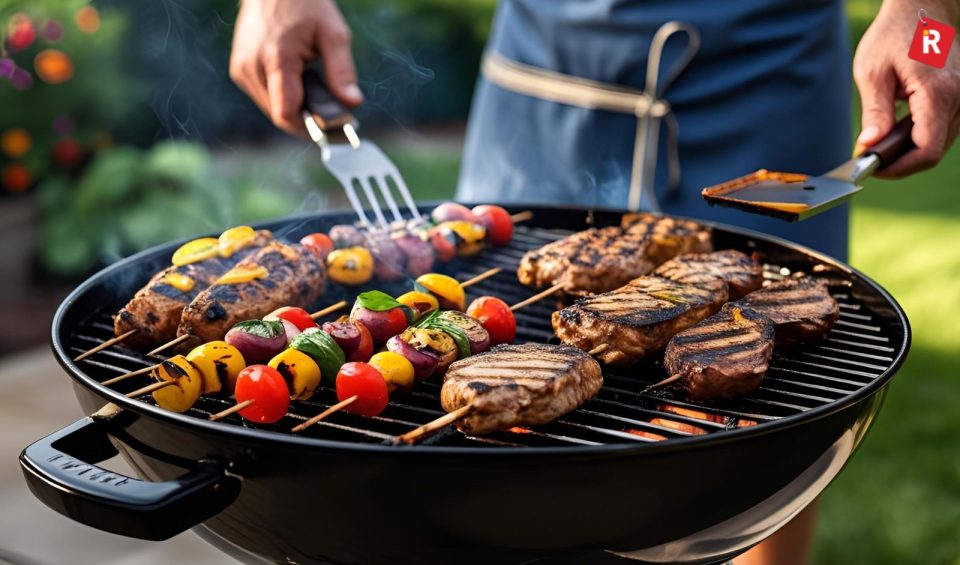
Good barbecue cooking is easier to learn when you break it into clear skills. Buying expensive equipment cannot replace fire control, preparation, seasoning, and timing. A cook who understands those areas can produce dependable food on a modest grill.
1 Learn how your fuel behaves
Charcoal, briquettes, wood, gas, and electricity deliver heat differently. Charcoal responds to airflow and needs time to become ready. Gas offers direct control but still creates hot and cool areas.
For example, light one measured load of charcoal and record how long it takes to reach cooking temperature. Repeat with the vents in different positions. That simple test teaches more than guessing during a party.
2 Build two temperature zones
One side should provide direct heat and the other should offer a cooler area. Food can colour over the hot zone and finish more gently away from the flame. A corso barbecue often uses this exercise because it shows how arrangement matters more than constant turning.
Chicken can cook through on the cooler side before a final period over direct heat adds colour. Sausages can move away from flare-ups, and thick vegetables can soften without burning outside.
3 Read temperature rather than time alone
Cooking times in recipes are estimates. Thickness, starting temperature, wind, fuel, and grill design all change the result. A probe thermometer gives better information.
For example, two steaks of different thickness will not finish together even if they entered the grill at the same moment. Measure the centre and remove each one when it reaches the intended range.
4 Season in layers
Salt, spice rubs, marinades, smoke, sauces, and finishing condiments perform different jobs. Using all of them strongly can hide the ingredient.
Try cooking three pieces of the same vegetable. Season one before grilling, one after, and one with a light glaze near the end. Comparing them shows when seasoning changes texture and flavour.
5 Manage moisture
Dry surfaces brown more readily. Wet marinades can drip, cool the grate, and cause flare-ups. Patting food dry before cooking can improve colour while leaving flavour inside.
Thick sauces containing sugar should usually arrive late because they burn over direct heat. A thin early layer and a fresh finishing coat can give flavour without a blackened crust.
Moisture inside the ingredient is different from water on its surface. Brining can help some meat retain juiciness, while air drying poultry can improve the skin. The method should suit the food rather than becoming a rule used for every cook.
6 Leave enough room on the grill
Crowding lowers heat and makes movement difficult. It also mixes cooking times, especially when raw and nearly finished food share the same area.
Cook in batches when necessary. Keep finished items warm with an appropriate holding method, but don’t leave delicate food trapped under heavy foil where steam softens the surface.
7 Understand smoke
Clean smoke is light and almost transparent. Thick white smoke can make food bitter. Fuel must burn with enough oxygen, and damp wood may cause poor combustion.
Use a small amount of suitable wood before adding more. Food absorbs smoke throughout cooking, but early exposure often has the greatest effect because the surface remains cool and moist.
Different woods have different strengths, though clean combustion matters more than collecting a wide variety. Start with a mild wood and a measured amount. If the food tastes harsh, improve airflow and reduce wood before changing the recipe.
8 Rest and slice with care
Resting gives heat time to move through meat after it leaves the grill. The right period depends on size. A small chop may need only a few minutes, while a large joint needs longer.
Slice across the direction of muscle fibres where possible. Thin slices across the grain can make tougher cuts easier to eat. Use a sharp knife and keep the cutting board stable.
9 Organize before lighting the fire
Preparation includes trimmed ingredients, measured seasoning, clean utensils, plates for raw and cooked food, fuel, gloves, and a thermometer. Once cooking begins, missing equipment creates avoidable errors.
For example, place raw chicken on one tray and prepare a separate clean tray for cooked pieces. Never return cooked food to a surface that held raw meat unless you have washed it properly.
Organization also protects timing. Mix sauces, cut vegetables, and warm or chill serving plates as needed. The cook can then focus on heat and doneness instead of leaving the grill to search for a knife.
Which skill should a beginner practise first?
Start with heat control. Once you can create hot and cool zones, adjust airflow, and recognize stable cooking temperature, every other skill becomes easier to apply. Use inexpensive ingredients for practice, record what changed each time, and repeat the same exercise under different weather conditions.