
The Role of Presentation in Modern Restaurant Dining
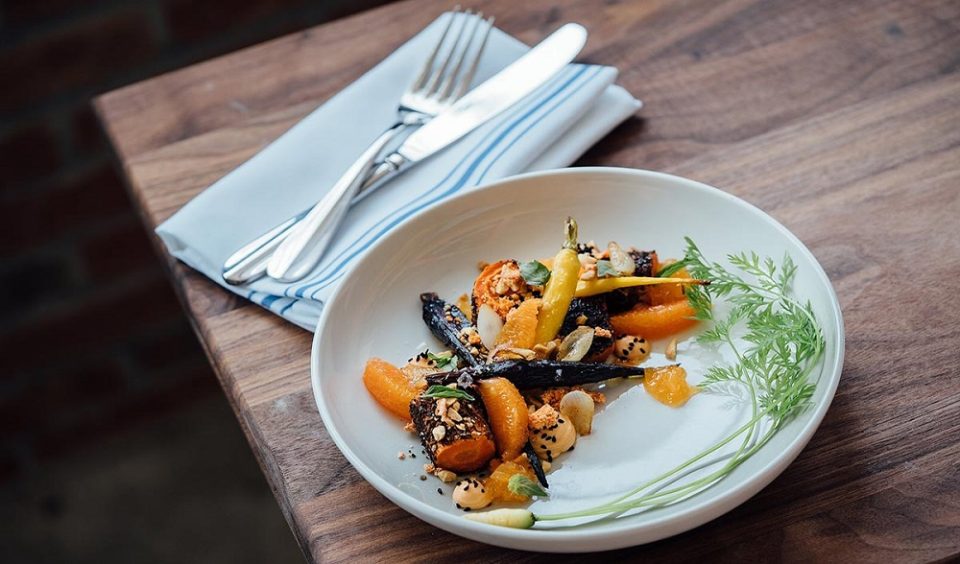
The contemporary restaurant landscape has shifted far beyond the simple act of providing sustenance. Dining out has evolved into a multisensory experience where the visual appeal of a dish carries as much weight as its flavor profile. This evolution is driven by changes in consumer psychology, technological advancements, and the globalization of culinary styles.
While taste remains a foundational metric of culinary success, visual presentation serves as the initial introduction to a meal. It sets expectations, communicates luxury, and establishes the artistic identity of the chef. In the modern dining era, how food looks is no longer a secondary consideration; it is an essential component of the gastronomic narrative.
The Psychological Impact of Visual Aesthetics on Taste Perception
Human beings are hardwired to evaluate their environment visually, and food is no exception. Long before a dish reaches the palate, the brain has already formed an opinion about its quality, freshness, and potential flavor based entirely on its appearance.
The Phenomenon of Eating with Your Eyes
The phrase eating with your eyes first is backed by neuroscientific evidence. When a plate of food is presented beautifully, it triggers a physiological response. The brain releases dopamine, a neurotransmitter associated with pleasure and anticipation, which in turn stimulates salivary glands and prepares the digestive system. A visually striking dish enhances the perceived value of the meal, making guests predisposed to enjoying the flavors more intensely than if the exact same ingredients were served sloppily.
Color Psychology and Portion Perception
Chefs utilize color theory to manipulate how a diner perceives balance and portion sizes. Bright, contrasting colors suggest freshness, vitality, and nutritional density. Conversely, monochromatic plates can feel heavy or uninspired. Furthermore, the strategic arrangement of elements using negative space can make a standard portion feel substantial and luxurious, altering the customer’s sense of satisfaction and value for money.
Creating a Sense of Anticipation and Narrative
An expertly plated dish tells a story. It can convey the season, such as using earthy tones and compressed roots in autumn, or it can evoke nostalgia by deconstructing a classic childhood comfort food. By transforming food into a visual narrative, the presentation engages the diner’s intellect and emotions, elevating the meal from an act of consumption to an act of intellectual engagement.
Technical Elements of Contemporary Plating Artistry
Modern plating is a disciplined art form that requires an understanding of balance, geometry, and material science. Chefs view the plate as a blank canvas, utilizing specific structural rules to guide the eye.
-
The Focal Point: Every plate requires a clear centerpiece, which is typically the main protein. All secondary elements, such as starches, vegetables, and sauces, are arranged to draw attention toward this primary component rather than distracting from it.
-
Textural Layering and Height: Flat food can look uninviting. Contemporary chefs build vertical height on the plate by stacking elements, using crisp garnishes, or resting proteins on beds of grains and purées. This verticality creates dimension and shadows that make the dish visually dynamic.
-
The Golden Ratio and Asymmetry: Traditional plating relied heavily on symmetrical, clock-face arrangements, such as starch at ten o’clock and protein at six o’clock. Modern design favors asymmetry and odd numbers. Arranging elements in groups of three or five creates a natural, organic flow that feels more sophisticated to the human eye.
The Evolution of the Plate and Alternative Vessels
The revolution in presentation has expanded beyond the food itself to encompass the vessels upon which it is served. The traditional round white ceramic plate is no longer the default option for high-end dining establishments.
Restaurants now collaborate directly with artisanal ceramicists, glassblowers, and stone carvers to create custom serving pieces that match the specific philosophy of the menu. A rustic, farm-to-table restaurant might serve dishes on coarse, unglazed stoneware or slate slabs to emphasize connection to the earth. A cutting-edge modernist establishment might utilize custom-molded acrylic blocks, volcanic rock cubes, or floating magnetic platforms to surprise and challenge guests.
The weight, temperature, and texture of the vessel alter the tactile experience of the meal, reinforcing the environmental context of the cuisine.
The Influence of Digital Culture and Social Media
It is impossible to discuss modern restaurant presentation without acknowledging the massive impact of digital culture and social media platforms. The visual shareability of a dish has become a powerful economic driver in the hospitality industry.
When a chef designs a plate that is visually captivating, it encourages diners to photograph their food and share it with global networks instantaneously. This user-generated content functions as free, highly effective marketing for the restaurant. Certain dishes are engineered specifically to go viral, featuring dramatic tableside actions like pouring hot broths over chocolate spheres to reveal hidden interiors, or utilizing smoke guns under glass cloches to create an aromatic cloud upon service.
While some purists argue that this trend risks prioritizing style over substance, successful modern restaurateurs balance theatrical showmanship with culinary excellence to thrive in a visually driven marketplace.
Tableside Theater and Experiential Presentation
The concept of presentation has broken free from the physical boundaries of the plate, extending to the interaction between the service staff and the diner. Tableside presentation transforms a meal into a live performance.
This includes classical techniques like flambéing desserts or carving large roasts in front of the guest, as well as modern iterations like tableside nitrogen churning of ice cream or the assembly of complex salads from a rolling cart. By involving the diner directly in the final assembly stages, the restaurant creates a memorable, immersive environment. It bridges the gap between the hidden world of the kitchen and the social space of the dining room, celebrating the transparency, craftsmanship, and showmanship of the culinary team.
Frequently Asked Questions
How do chefs ensure that food does not get cold while executing intricate, time-consuming plating designs?
Maintaining optimal food temperature during complex plating requires precise kitchen choreography and specialized equipment. Chefs work in synchronized assembly lines under heated lamps, and all service plates are pre-warmed in industrial plate heaters before assembly begins. Additionally, sauce squirts, purée sweeps, and delicate micro-green placements are executed within seconds by trained line cooks who specialize in speed and accuracy.
What is the role of micro-greens and edible flowers in modern plating, and do they actually contribute to flavor?
Micro-greens and edible flowers are not merely decorative filler; they are chosen to provide specific flavor accents and textural highlights. For instance, micro-radish greens add a sharp, peppery bite that cuts through rich meats, while nasturtium petals offer a distinct mustard-like spice. Chefs select these delicate elements to complement the chemical profile of the core ingredients while simultaneously adding vibrant pops of color.
Why is white dinnerware still favored by many top chefs despite the availability of colorful, artisanal ceramics?
Bright white porcelain remains popular because it provides maximum visual contrast and acts as a neutral canvas. On a white plate, the natural colors of fruits, vegetables, and seared proteins stand out clearly without competing with patterns or textures embedded in the dish itself. White tableware also focuses the diner’s undivided attention entirely on the chef’s work, eliminating external visual distractions.
How do restaurants manage the sanitation and durability challenges of using unconventional serving vessels like slate or wood?
Unconventional materials like wood, slate, or bone require specialized maintenance protocols to meet strict health codes. Wooden boards must be treated regularly with food-grade mineral oils to prevent drying and cracking where bacteria could hide, and they are sanitized using specific chemical solutions rather than high-heat commercial dishwashers. Slate tiles must be sealed with food-safe sealants to prevent chipping and ensure non-porous surfaces.
Does an overemphasis on presentation ever diminish the actual culinary quality of a restaurant’s food?
If a kitchen prioritizes visual showmanship over foundational culinary execution, the dining experience will ultimately suffer. Gimmicks like excessive foam, dry ice smoke, or structural elements that make food difficult to eat can alienate customers if the underlying flavors are flat, dry, or unseasoned. The highest tier of restaurant dining utilizes presentation exclusively to enhance and celebrate flavor, never to hide subpar culinary technique.
How do modern plating techniques differ when preparing a casual buffet versus a high-end multi-course tasting menu?
A tasting menu focus centers on micro-precision, asymmetry, and negative space, where each individual plate is tailored for a single guest to consume in a few specific bites. Buffet presentation relies on macro-aesthetics, focusing on abundance, color blocks, varying heights of serving platters, and clean structural dividers. This ensures the food looks appetizing, organized, and structurally stable even as large crowds serve themselves over several hours.