
The Ultimate Collection of Recipes for Every Occasion
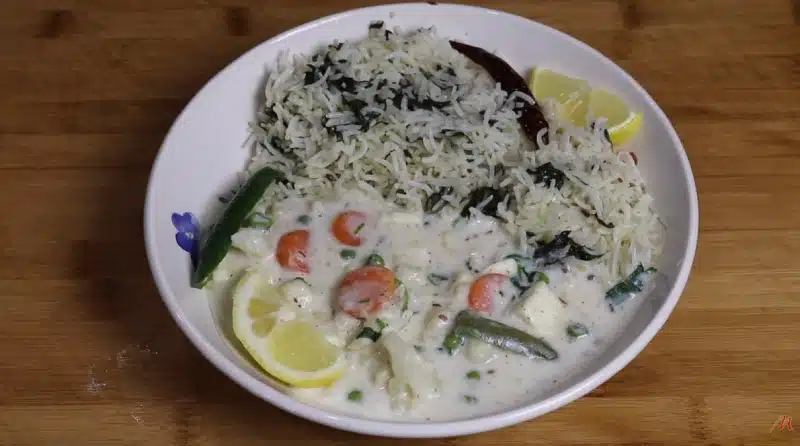
Food possesses a unique power to define the moments of our lives. A quiet weekday morning requires something entirely different from a high-stakes corporate holiday dinner, a relaxed weekend backyard gathering, or an intimate milestone celebration. The true mark of an accomplished home cook is not just the ability to follow a single recipe, but the capacity to adapt, choose, and execute the ideal menu for any specific context.
Navigating the culinary landscape requires a reliable, versatile repertoire of dishes. Having a curated selection of proven concepts allows you to approach the stove with absolute confidence, ensuring that your food always aligns perfectly with the mood, the timeline, and the expectations of your guests.
Energizing Weekday Morning Fuel
The primary challenge of weekday breakfasts is balancing nutritional density with extreme time efficiency. When you have less than twenty minutes before rushing out the door, complex cooking processes are impossible. The goal is to prepare meals that stabilize blood sugar and provide sustained energy without requiring massive cleanup.
Advanced Prep Overnight Oats
For mornings with zero time to cook, overnight oats are the ultimate solution. By soaking rolled oats in a base of almond or dairy milk inside a sealed jar the night before, you bypass the need for heat entirely. The oats absorb the liquid, softening into a creamy pudding consistency. You can customize the base profile with chia seeds for added fiber, a scoop of protein powder, ground cinnamon, and a handful of fresh berries or sliced almonds just before serving.
The Perfect Ten Minute Vegetable Scramble
If you prefer a hot, savory start to the day, a vegetable scramble provides high-quality protein and micronutrients rapidly. Sauté a handful of baby spinach and diced cherry tomatoes in a non-stick skillet with a teaspoon of olive oil for two minutes. Whisk two large eggs with a tablespoon of water, pour them directly over the vegetables, and lower the heat. Stir gently with a silicone spatula until soft, velvety curds form, finishing with a pinch of kosher salt and cracked black pepper.
Rapid and Nutritious Midday Solutions
Lunch is frequently treated as an afterthought, resulting in uninspired sandwiches or expensive takeout orders that cause an afternoon energy crash. A successful midday meal should be structured around complex carbohydrates, lean proteins, and crisp textures that keep your mind sharp for the remainder of the work day.
The Multi-Day Mediterranean Grain Bowl
Grain bowls are an exceptional option for batch cooking and meal preparation. Cook a large pot of quinoa, farro, or brown rice over the weekend to serve as your nutritional base.
When assembly time arrives, top the grains with grilled chicken breast, canned chickpeas, diced cucumbers, kalamata olives, and crumbled feta cheese. Whisk a simple, bright dressing using extra virgin olive oil, fresh lemon juice, dried oregano, and garlic to drizzle over the top, creating a vibrant lunch that travels perfectly in a lunchbox.
Crisp Chopped Autumn Salad with Apple Cider Vinaigrette
For a lighter but texturally satisfying midday option, a chopped salad offers incredible variety. Combine chopped lacinato kale and romaine lettuce with thinly sliced honeycrisp apples, toasted pecans, roasted sweet potato cubes, and shaved parmesan cheese. The dressing relies on a balance of apple cider vinegar, Dijon mustard, a touch of pure maple syrup, and olive oil, delivering a sweet, tart, and crunchy experience.
Effortless Weeknight Dinners for Busy Schedules
After a demanding day of work or school, energy levels are depleted, making long kitchen sessions unappealing. Weeknight dinners must prioritize minimal pan usage, rapid cooking times, and deeply comforting flavor profiles that satisfy the entire household.
-
Sheet Pan Lemon Herb Salmon and Asparagus: Toss trimmed asparagus spears and baby fingerling potatoes in olive oil, garlic powder, salt, and pepper, spreading them evenly across a rimmed baking sheet. Roast at four hundred degrees Fahrenheit for ten minutes. Slide the pan out, place fresh salmon fillets among the vegetables, season the fish with dried dill and lemon slices, and return to the oven for another twelve minutes until the salmon flakes easily.
-
One-Pot Creamy Tomato and Spinach Pasta: In a large Dutch oven, combine dry penne pasta, a can of crushed tomatoes, minced garlic, a sliced yellow onion, vegetable stock, and a splash of olive oil. Bring the liquid to a boil, then reduce the heat to a simmer, stirring frequently as the pasta cooks directly in the sauce. During the final two minutes, fold in a block of cream cheese and three cups of fresh baby spinach, resulting in a rich, velvety sauce without dirtying multiple pots.
-
Quick Garlic Ginger Beef Stir-Fry: Utilizing a piping hot cast-iron skillet or wok allows you to flash-cook a complete meal in under fifteen minutes. Sear thinly sliced flank steak rapidly, then remove it from the pan. Drop in broccoli florets, snap peas, and bell peppers, sautéing until they are tender-crisp. Return the beef to the pan along with a simple sauce made from low-sodium soy sauce, fresh grated ginger, minced garlic, and a teaspoon of sesame oil, serving immediately over instant jasmine rice.
Elegant Menus for Formal Entertaining
When hosting a formal dinner party or celebrating a major life event, the culinary strategy shifts from speed to precision, presentation, and depth of flavor. These dishes are designed to impress guests, utilizing classical cooking techniques that can be partially managed ahead of time to ensure the host is not isolated in the kitchen all evening.
Reverse-Seared Beef Tenderloin with Red Wine Reduction
Beef tenderloin is the undisputed king of formal centerpieces due to its extreme tenderness. To guarantee a perfect, edge-to-edge medium-rare interior, utilize the reverse-sear method.
Bake the seasoned roast at a low temperature of two hundred fifty degrees Fahrenheit until the internal temperature reaches one hundred twenty degrees. Remove it from the oven and flash-sear the exterior in a smoking-hot skillet with butter, rosemary, and crushed garlic to create a deeply caramelized crust. Deglaze the skillet with a bold Cabernet Sauvignon and beef stock, reducing the liquid until it becomes a glossy, rich pan sauce.
Pan-Seared Sea Scallops with Creamy Sweet Corn Purée
For an upscale seafood starter or main course, scallops provide a luxurious aesthetic. The secret to a restaurant-quality scallop is achieving a hard, golden crust while keeping the center sweet and tender.
Pat the U-10 scallops completely dry with paper towels and salt them right before they hit a hot stainless steel pan with avocado oil. Sear for exactly two minutes on the first side without moving them, flip, and baste with butter for one more minute. Serve them atop a vibrant, smooth purée made from sweet corn, heavy cream, and white wine.
Crowded Gatherings and Casual Weekend Celebrations
Casual weekend events like summer barbecues, football watch parties, and neighborhood block parties require food that is highly shareable, crowd-pleasing, and capable of sitting out on a buffet line without degrading in quality.
Slow-Cooker Smoked Pork Shoulder
Nothing feeds a crowd with less effort on game day than pulled pork. Rub a bone-in pork shoulder generously with a blend of brown sugar, smoked paprika, garlic powder, onion powder, salt, and cayenne pepper. Place it in a slow cooker on low heat for eight to ten hours until the collagen breaks down entirely and the meat pulls apart easily with two forks. Toss the shredded meat with your favorite apple cider vinegar-based barbecue sauce and serve with brioche sliders and coleslaw.
Ultimate Baked Three-Cheese Macaroni
A universal comfort food, homemade baked macaroni and cheese is an essential side dish for any casual gathering. Build a classic roux using equal parts butter and flour, slowly whisking in whole milk until a thick béchamel forms. Melt in a combination of extra-sharp cheddar, gruyère, and fontina cheeses before folding in cooked elbow macaroni. Transfer the mixture to a large baking dish, top with buttered panko breadcrumbs, and bake at three hundred seventy-five degrees Fahrenheit until bubbling and golden brown.
Frequently Asked Questions
What is the scientific purpose of adding baking soda to ground beef when making a rapid weeknight chili?
Adding a tiny pinch of baking soda mixed with water to raw ground beef before cooking raises the pH level of the meat. This chemical shift alters the protein structure, allowing the beef to retain more moisture during the browning process. It accelerates the Maillard browning reaction, resulting in a more deeply caramelized, flavorful, and tender meat texture that prevents the beef from turning rubbery or dry during a fast simmer.
How do you rescue a homemade cheese sauce that has broken and become grainy?
A cheese sauce breaks when the heat is too high, causing the proteins to clump together and separate from the fats and liquids. To rescue a broken sauce, immediately remove the pan from the heat source. Whisk in a tablespoon of cold liquid, such as heavy cream, milk, or a splash of fresh lemon juice, along with a small pinch of cornstarch. The cold liquid lowers the temperature, while the starch helps re-emulsify the fat and protein strands back into a cohesive, smooth state.
Why is it beneficial to sear meat before transferring it into a slow cooker or braising pot?
A slow cooker uses moist, gentle heat, which is excellent for tenderizing tough muscle fibers but incapable of reaching the temperatures required to brown meat. Searing the exterior of your roast in a hot skillet before adding it to the slow cooker creates a deep layer of complex flavor through the Maillard reaction. This caramelization dissolves into the braising liquid over hours of cooking, resulting in a significantly richer, deeper, and more savory sauce.
What is the correct method for storing leftover cooked grains to prevent them from becoming mushy?
To maintain the structural integrity of cooked grains like rice or quinoa, spread them out in a thin, even layer on a clean baking sheet immediately after cooking. This allows the residual steam and moisture to escape into the air rapidly rather than trapping it inside a deep storage container where the grains will continue to cook and turn gummy. Once the grains reach room temperature, transfer them into an airtight container and store in the refrigerator.
How do you determine the correct size of a baking dish when a recipe calls for an unfamiliar pan?
If a recipe specifies a pan size you do not own, you can determine a suitable substitute by calculating the fluid volume capacity. Fill the specified pan size with water using a measuring cup to see how many cups it holds, then do the same with your available dishes. A standard nine-by-thirteen-inch metal baking pan holds approximately fifteen cups of fluid, which can typically be substituted with a large three-quart oval ceramic casserole dish without altering the baking depth significantly.
Why do professional bakers recommend weighing ingredients for baked goods instead of using measuring cups?
Volume measurements using measuring cups are notoriously inaccurate because ingredients like flour, cocoa powder, and brown sugar can be compressed or aerated differently depending on how they are scooped. A cup of flour scooped directly from the bag can weigh up to twenty percent more than a cup of flour sifted into a measuring tool. Weighing ingredients on a digital kitchen scale ensures absolute precision and consistency, which is critical for the delicate chemical balances required in baking.
previous post