
How Professional Catering Enhances Every Special Occasion
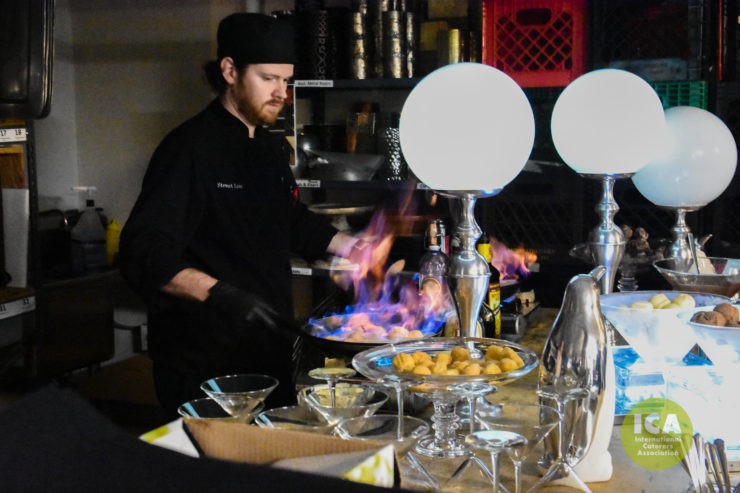
Food is often the emotional centerpiece of any gathering. It brings people together, sets the tone for the environment, and creates lasting memories long after the event has concluded. Whether organizing an intimate milestone birthday, a sprawling corporate gala, or a fairytale wedding, the logistics of hosting can quickly become overwhelming.
Attempting to manage the menu independently often leaves hosts stressed, exhausted, and isolated from their own guests. This is where professional catering becomes an invaluable asset. Far beyond simply providing food, professional caterers elevate a gathering by blending culinary art, seamless hospitality, and strict operational logistics to transform an ordinary party into an extraordinary experience.
Stress Reduction and Comprehensive Time Management
The most immediate benefit of hiring a professional catering service is the profound reduction in stress for the host. Organizing an event requires managing countless moving parts, from invitations to decorations. Adding food preparation to that checklist can jeopardize the success of the entire evening.
Eliminating the Burden of Meal Planning and Grocery Shopping
Feeding a large group requires meticulous ingredient scaling, multiple trips to specialty markets, and an immense amount of refrigerator and kitchen storage space. Professional caterers handle the entire supply chain. They utilize established commercial networks to source high-quality ingredients, freeing up days of preparation time for the host.
Kitchen Management and Event Day Logistics
On the day of the event, a host should be focused on welcoming guests and enjoying the atmosphere. Without a caterer, the host spends the event trapped in the kitchen monitoring oven timers, plating appetizers, and worrying about food temperatures. Professional catering teams bring their own chefs, kitchen staff, and coordinators to manage the culinary timeline seamlessly, allowing the host to actually attend their own party.
Comprehensive Post-Event Cleanup
The aftermath of a major party can be disheartening, with mountains of dirty dishes, greasy pans, and food waste left behind. A full-service catering company takes complete ownership of the cleanup process. They pack up leftovers, scrape dishes, sanitize preparation surfaces, and leave the venue or home kitchen exactly as they found it.
Culinary Expertise and Bespoke Menu Customization
A professional catering team brings a level of culinary sophistication that is difficult to replicate in a standard home kitchen. Experienced chefs understand how to design balanced menus that remain fresh and visually appealing throughout the duration of an event.
Tailored Themes and Custom Menus
Every special occasion has a unique identity, and the food should reflect that. Professional caterers work closely with clients to build bespoke menus that complement the event theme. Whether it is a rustic backyard barbecue featuring artisanal smoked meats or an elegant five-course plated dinner showcasing French gastronomy, professional chefs translate a concept into a cohesive dining experience.
Accommodating Complex Dietary Needs Safely
In the modern hospitality landscape, accommodating diverse dietary restrictions is non-negotiable. Guests frequently require vegan, gluten-free, dairy-free, kosher, or allergen-conscious meals. Professional caterers are well-versed in cross-contamination prevention and ingredient alternatives. They ensure that guests with dietary restrictions receive meals that are just as flavorful, creative, and beautifully presented as the standard menu items, preventing anyone from feeling like an afterthought.
Mastering Temperature Control and Food Safety
Cooking for a crowd presents significant safety challenges. Keeping hot food hot and cold food cold requires specialized equipment, including commercial chafing dishes, hot holding cabinets, and mobile refrigeration units. Caterers are certified in food safety regulations, ensuring that all dishes are held and served at optimal temperatures to guarantee guest safety and flavor integrity.
Elevating the Event Through Aesthetic Presentation and Ambiance
People eat with their eyes first. The visual presentation of food plays a major role in how guests perceive the overall quality of an event. Professional caterers do not just serve food; they design visual displays that enhance the decor of the venue.
-
Artisanal Food Stations: Interactive food stations, such as live oyster shucking bars, customized pasta stations, or gourmet carving blocks, create a dynamic focal point that encourages guest interaction.
-
Meticulous Plating: For formal sit-down dinners, catering teams treat each plate as a canvas, utilizing color theory, negative space, and micro-green garnishes to create visually striking dishes.
-
Coordinated Table Scapes: High-end caterers provide or coordinate linens, specialized dinnerware, polished cutlery, and glassware that match the color palette and stylistic theme of the celebration.
Operational Excellence and Professional Service Standards
The quality of service can make or break an event. Even the most delicious food loses its appeal if it is served cold, late, or by a rude front-of-house team. Professional catering companies provide highly trained service staff who understand the nuances of elite hospitality.
Seamless Service Styles
Depending on the formality of the occasion, caterers offer various service structures to control the flow of the evening. They can execute a flawless synchronized plated service for a corporate gala, manage a fast-moving and hygienic buffet line for a family reunion, or deploy elegant passed hors d’oeuvres for a cocktail mixer.
Professionalism and Crowd Management
Experienced servers know how to read a room. They anticipate guest needs, refill drinks discreetly, clear empty plates promptly without making guests feel rushed, and manage long lines at food stations with grace and efficiency. This level of professionalism establishes a sophisticated, welcoming atmosphere that makes guests feel deeply valued.
Cost Efficiency and Resource Optimization
While some view professional catering as a luxury expense, it often proves to be highly cost-effective when compared to the hidden costs of self-catering.
When individuals attempt to cater their own large events, they frequently over-purchase ingredients due to a lack of precise portioning formulas, leading to expensive food waste. Furthermore, home hosts must purchase or rent chafing dishes, serving platters, extra utensils, and glassware, items they may never use again.
Caterers possess precise portioning algorithms based on guest counts and event duration. They bring their own inventory of high-quality serving equipment, eliminating the need for clients to buy redundant supplies. By optimizing resources and preventing waste, professional caterers deliver maximum value for the budget allocated.
Frequently Asked Questions
How do caterers calculate the correct amount of food to prevent running out without wasting excessive amounts?
Professional caterers utilize industry-standard portioning matrices developed over years of event management. They calculate food quantities based on the specific demographics of the guest list, the duration of the event, the time of day, and the service style. For example, guests typically consume more food at a evening buffet than at an afternoon cocktail reception, and caterers adjust the per-person ounce allocations for proteins and side dishes accordingly to achieve an exact balance.
What is the standard protocol for handling left over food at the end of a catered event?
The handling of leftovers is dictated by local health department regulations and liability insurance policies. Many professional caterers cannot legally leave perishable food behind if it has sat out on a buffet line for a specific period due to rapid bacterial growth risks. However, for unserved food that has been kept at safe temperatures in back-of-house holding cabinets, caterers can often pack it into client-provided containers if a liability waiver is signed.
How do professional caterers manage venues that do not have an on-site kitchen?
Experienced caterers are experts in mobile kitchen setup. When working in remote locations, historical buildings, or outdoor tents without electricity or running water, they construct a temporary field kitchen. They utilize propane-powered convection ovens, insulated hot boxes, mobile hand-washing stations, and battery-powered lighting to maintain full culinary capabilities without relying on venue infrastructure.
What is a guaranteed guest count and when must it be finalized before the event?
A guaranteed guest count is the final number of attendees that the client commits to paying for, regardless of whether fewer guests show up. Caterers require this number to be finalized anywhere from seven to fourteen days prior to the event. This window is necessary because it allows the catering company to place precise ingredient orders with wholesale vendors, schedule the correct ratio of service staff, and finalize seating charts or place settings.
How does the choice between a buffet and a plated dinner impact the overall timeline of an event?
Plated dinners generally require a more rigid and extended timeline, as each course must be served and cleared systematically across the entire room, usually taking up to two hours for a three-course meal. A buffet service allows guests to eat at varying paces, which can speed up the dining portion of the evening and open up more time for dancing or speeches. However, buffets can occasionally cause minor delays if the crowd management is not handled correctly by the service staff.
Can a professional caterer assist with alcohol service and liquor licensing requirements?
Many full-service catering companies offer bar packages alongside their food menus, providing certified bartenders, mixers, ice, and glassware. However, the ability to provide the actual alcohol depends on state and local liquor laws. Some caterers hold full liquor licenses and can sell the alcohol directly, while others operate under a host-provided model, where the client purchases the alcohol and the catering staff legally pours it.
How do catering companies handle sudden, unpredicted weather changes for outdoor events?
Top-tier caterers always establish a comprehensive weather contingency plan during the initial consultation phase. If rain or extreme heat occurs unexpectedly, the catering coordinator works fast to relocate food stations indoors or underneath protective canopy tents. They also adjust their equipment, utilizing wind shields for chafing dishes and increased ice storage to protect delicate cold dishes from spoiling in high temperatures.
previous post